What Changes When You Move From a Personal Project to One Maintained by a Company
8 months ago · Updated 8 months ago

- From Informal Ownership to Structured Governance
- Decision-Making Shifts From Speed to Accountability
- Licensing and Legal Considerations Become Central
- Community Trust Becomes a Critical Asset
- Contribution Models Become More Formal
- Roadmaps Replace Ad-Hoc Development
- Maintainer Roles Become Jobs, Not Just Passions
- Burnout Risks Change—but Do Not Disappear
- Succession Planning Becomes Strategic
- Measuring Success Changes
- Conclusion: A Transition That Redefines the Project
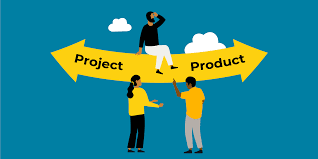
Many successful open source projects begin as personal experiments. A developer solves a problem, shares the solution, and gradually attracts users and contributors. At some point, however, adoption grows beyond what a single person can reasonably support. This is often when companies step in and the project transitions from a personal initiative to one maintained by an organization.
From Informal Ownership to Structured Governance
In a personal project, ownership is usually implicit. The creator makes decisions, sets priorities, and merges changes at will. While this works well at small scale, it becomes risky as adoption grows.
When a project becomes company-backed, governance must become explicit. Decisions need to be documented, roles clarified, and authority distributed to avoid confusion and resentment.
Why Governance Becomes Non-Negotiable
Company involvement introduces legal, financial, and reputational responsibilities. Clear governance protects both the organization and the community by defining how decisions are made and how conflicts are resolved.
Established foundations such as the Apache Software Foundation provide widely respected governance models that many company-backed projects adapt.
Decision-Making Shifts From Speed to Accountability
Personal projects prioritize speed and flexibility. Decisions can be made quickly, often without formal discussion. This agility is one of the strengths of personal open source work.
In contrast, a project that is one maintained by a company must balance speed with accountability. Decisions often require documentation, internal alignment, and consideration of long-term impact.
The Impact on Contributors
Contributors may notice that changes take longer to approve or that discussions become more structured. While this can feel restrictive, it often results in more predictable and stable outcomes over time.
Licensing and Legal Considerations Become Central
Licensing is often an afterthought in personal projects. Many developers choose a permissive license and move on. Once a company becomes involved, licensing decisions take on strategic importance.
Organizations must consider intellectual property, commercial usage, compatibility with internal policies, and long-term sustainability.
The Open Source Initiative offers authoritative guidance on licenses and their implications.

Community Trust Becomes a Critical Asset
One of the biggest changes during this transition is how the community perceives the project. Contributors who trusted an individual maintainer may become cautious when a company takes control.
Trust is not automatic. It must be actively earned and continuously reinforced through transparency and consistent behavior.
Common Community Concerns
- Will corporate interests override community needs?
- Will contributions still be welcome?
- Is the project still truly open?
Clear communication, public roadmaps, and neutral governance structures help address these concerns.
Contribution Models Become More Formal
Personal projects often rely on informal contribution processes. Contributors submit pull requests, and maintainers respond when time allows.
When a project becomes one maintained by a company, contribution workflows typically become more structured. This includes documented contribution guidelines, review standards, and defined release cycles. GitHub provides comprehensive guidance on structuring contribution workflows Security and Compliance Take Priority
Security responsibilities increase dramatically once a company relies on a project in production. Vulnerabilities are no longer just technical issues; they become business risks.
Company-backed projects typically introduce one maintained formal security policies, responsible disclosure processes, and dependency monitoring.
The Open Source Security Foundation provides best practices specifically designed for this stage of maturity
Roadmaps Replace Ad-Hoc Development
Personal projects evolve organically based on the maintainer’s interests. While this flexibility is valuable, it can create uncertainty for users at scale.
Company-maintained projects typically introduce public roadmaps to communicate priorities, timelines, and long-term direction. This predictability increases adoption and trust.
Maintainer Roles Become Jobs, Not Just Passions
One of the most significant cultural shifts occurs when maintainers are paid for their work. This can improve sustainability but also changes expectations.
Maintainers may need to balance community needs with internal company goals, timelines, and performance metrics.
This tension is not inherently negative, but it must be managed transparently to avoid community alienation.
Burnout Risks Change—but Do Not Disappear
Company backing often reduces financial pressure on maintainers, but it can introduce new forms of stress, such as deadlines and stakeholder expectations.
Healthy projects actively address burnout through shared ownership, automation, and realistic scope management.
GitHub’s Open Source Guides explore sustainability and maintainer well-being in depth.
Succession Planning Becomes Strategic
In personal projects, maintainers often step away informally. One Maintained in company-maintained projects, continuity becomes a strategic concern.
Documented processes, shared access, and mentoring ensure that the project does not depend on any single individual.
Measuring Success Changes
Personal projects often measure success through stars, forks, or personal satisfaction. Company-backed projects evaluate success through adoption, reliability, contributor health, and long-term impact. The CHAOSS project provides metrics designed to evaluate open source project health beyond popularity.
Conclusion: A Transition That Redefines the Project
Understanding what changes when you move from a personal project to one maintained by a company helps set realistic expectations for everyone involved. While the transition introduces structure, accountability, and new constraints, it also enables stability, growth, and long-term impact.
Projects that navigate this transition successfully do so by prioritizing transparency, respecting their communities, and treating open source not just as code, but as a shared responsibility.